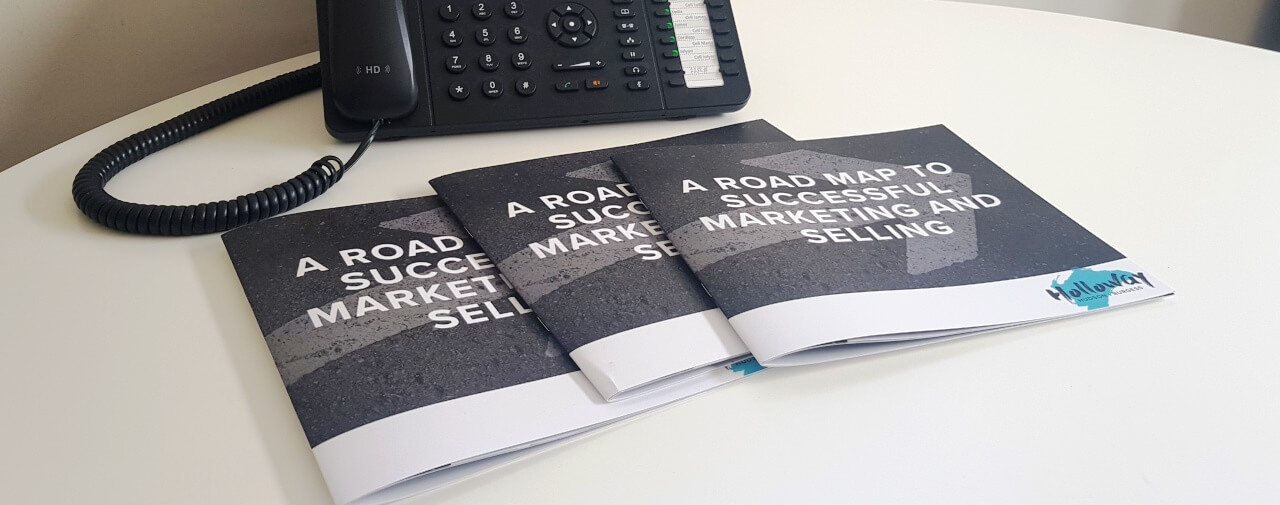

8 step marketing strategy for dummies

Check out this 8 step process to form your own marketing strategy

Creating an effective marketing strategy doesn’t need to be overwhelming. By following a clear step-by-step process, you can move from identifying your current challenges to building a plan that delivers measurable results. This 8 step framework is designed to help small businesses and growing companies create strategies that are practical, customer-focused, and results-driven.

1) Where are we now?

Start by identifying the main problems affecting your company; the challenges you want to solve through marketing. For example, maybe people are interested in your product but not buying, or perhaps your current customers aren’t returning. Summarise these issues in clear bullet points so you know exactly what needs to change.

2) Where do we want to be?

Next, define your goals. What do you want the company to look like in the near future? Consider the following:

  • What your sales will look like
  • What customers will think of you
  • Who your ideal buyers will be

3) How do we get there?

Now outline the steps you must take to reach your goals. When you’ve answered steps 1 and 2, this part becomes clearer. Think about the practical changes and actions that will take you from your current state to your desired outcome.

4) Who do we want to talk to?

Define your target audience. Write a short description of the people you want to reach. Be specific; consider demographics, interests, challenges, and motivations. The more clearly you define your audience, the more effective your marketing will be.

5) What do we want to say to them?

Clarify your core message. This is what you want your audience to think, feel, or do after they see your marketing. Keep it simple and direct; your message should connect to the problems your customers face and the solutions you offer.

6) How do we tell them?

Choose your channels. Media is the “how” of getting your message across. This could include newspaper, magazine, TV, radio, direct mail, email, social media, or in-person events. Pick the platforms that best reach your audience and fit your resources.

7) How will we know if it worked?

Set clear measures for success. This could include:

  • Tracking sales or revenue growth
  • Monitoring customer inquiries or leads
  • Measuring website traffic or conversions
  • Surveying customer feedback and satisfaction

By knowing what to measure, you’ll quickly see if your strategy is making an impact.

8) What will we do if it doesn’t work?

No strategy is perfect the first time. Plan in advance what actions you’ll take if the results aren’t as expected. That might include testing different messages, trying new media channels, or adjusting your target audience. The key is to adapt rather than give up; and never keep repeating ads that don’t perform.

Final thoughts

By working through these eight steps, you can build a marketing strategy that is practical, measurable, and aligned with your goals. The process ensures you’re not just spending money on advertising, but making deliberate choices that drive growth and strengthen your connection with customers.

If this article got you thinking about your marketing strategy, you don’t have to figure it out alone.

Holloway Hudson Burgess helps businesses turn scattered marketing efforts into clear, structured strategies that actually drive sales. Whether you need help building a strategy from scratch, reviewing your current approach, or aligning sales and marketing; we can help.


Harder! Cheaper! Better!

Effective marketing strategies that actually work for small businesses

Stop wasting money on marketing tactics that don’t deliver results. True business growth doesn’t come from glossy brochures, catchy jingles, or expensive ads; it comes from rolling up your sleeves and focusing on the strategies that truly connect with customers.

Why many marketing tactics fail

Business owners and managers often look for the easiest option first. We’ve been led to believe that marketing success comes from flashy advertising campaigns. But the reality is that these high-cost tactics are rarely the most effective way to generate long-term growth or repeat customers.

Marketing strategies that deliver real results

The good news? Many of the most powerful marketing strategies are cost-effective and accessible to any business. They just take consistency and effort. Here are proven approaches that work better than traditional advertising:

Emails to customers

Regular, personalised emails keep your brand top-of-mind, share helpful content, and promote new products or services.

Letters to customers

Handwritten or mailed letters feel personal and memorable, helping you stand out from digital noise.

Phone calls to customers

A simple call can re-engage past clients, answer questions, and generate repeat business.

Combination of calls and mail (“phone-mail-phone”)

Using multiple touchpoints reinforces your message and improves response rates.

Customer evenings or appreciation events

Hosting small events strengthens relationships, encourages referrals, and provides an opportunity to gather feedback.

Seminars and workshops

Sharing your expertise builds credibility, educates your customers, and can generate leads for your business.

Endorsements and testimonials

Positive reviews from satisfied clients create trust and influence purchasing decisions.

Referrals and word-of-mouth marketing

Encouraging existing customers to recommend your services is one of the most cost-effective ways to grow.

Host–beneficiary partnerships

Collaborating with complementary businesses or community organizations can expand your reach and credibility.

Editorial content and articles

Publishing useful content positions your business as an authority and drives organic traffic to your website.

Customer call cycles and increased interaction with existing clients

Regular follow-ups keep your brand front-of-mind and nurture long-term loyalty.

Newsletters (digital or printed)

Share updates, tips, and promotions to maintain ongoing engagement with your audience.

Staff training and development

A knowledgeable, confident team improves customer experience and operational efficiency.

Improved business systems and processes

Streamlined systems make it easier to manage customer relationships and deliver consistent results.

Measuring marketing success

Implementing strategies is only part of the process; tracking results is essential. For example:

  • Track email open and click-through rates to see which messages resonate.
  • Measure attendance and engagement at customer events.
  • Monitor repeat business, referrals, and testimonials to understand impact.

Consistently evaluating what works allows you to refine your marketing and focus on strategies that provide the best return on effort and investment.

The secret to small business marketing success

These strategies may not sound glamorous, but they work. By focusing on customer relationships, repeat business, and genuine engagement, you’ll spend less on ads and get far better returns. Small business marketing is about consistency, follow-through, and doing the hard work that others avoid.

Final thoughts

If you want effective marketing strategies for your business, stop chasing shiny distractions and start doubling down on what actually drives results. Focus on building trust, staying in touch, and creating real connections with your customers. That’s where sustainable growth happens.

The 15 irrefutable laws of marketing

The 15 laws of rrrefutable marketing

After years of working with real businesses, we’ve found these 15 truths to hold up again and again – no fluff, no jargon. They will not let you down. Experience has shown that:

Law #1: Most marketing fails

Most marketing efforts fall short and don’t generate consistent, measurable results.

Law #2: Marketing fails when it’s not measured or tested

Businesses that don’t track or experiment with their marketing miss the opportunity to find what actually works.

Law #3: Many marketers don’t really understand sales

Marketing often fails because professionals haven’t been trained to understand what directly drives revenue.

Law #4: Traditional advertising is losing effectiveness

Newspaper, radio, and TV can sometimes work; but they’re becoming less reliable for small to medium businesses.

Law #5: Direct, personal marketing works really well

More effective than advertising are methods like:

  • Letters, phone calls, and emails to customers
  • Phone/mail/phone sequences
  • Customer evenings with training and exclusive offers
  • Seminars, endorsements, referrals
  • Host-beneficiaries
  • Customers teaching each other how to use your service or product

Law #6: The more you help, the more you sell

Sales increase in direct proportion to the amount of real help you offer when responding to enquiries.

Law #7: Helpful marketing outperforms hard selling

Your marketing should be useful even if someone doesn’t buy immediately. Helping builds trust – and future customers.

Law #8: You’ve grown in spite of your marketing

Most businesses succeed not because of their marketing, but because of what they say to customers – and what customers say to others.

Law #9: Your marketing should reflect what you already say

Your marketing materials should echo the same key messages you use in real conversations with customers.

Law #10: What you say repeatedly is your secret strength

The consistent messages that come up in your conversations are the hidden strengths that truly drive sales.

Law #11: Discover, systemise, and communicate your strengths

A successful business must D.S.T.C. its secret strengths:

  • Discover them
  • Systemise them
  • Train the team to use them
  • Communicate them in your marketing

Law #12: Use the strengths of your ‘Big Guy’ or ‘Big Gal’

The owner or key personality in the business is often your best salesperson – build your marketing around their strengths.

Law #13: Build your plan on real strengths

Your marketing plan should be based on your proven strengths – not theoretical strategies or wishful thinking.

Law #14: A real plan is a timeline of practical actions

A strong marketing plan isn’t just a list of tactics – it’s a common-sense timeline for applying your secret and team strengths consistently.

Law #15: A good marketing plan evolves

Your plan should never be set in stone. It must evolve as new, well-tested ideas prove themselves better than old ones.

8 reasons most advertising fails

How many times have you decided to SPEND MONEY ON MARKETING, only to discover it didn’t work?

Thousands of NZ business people suffer the same disappointment every year. Yet there is no need for this to happen. The fault is not yours. The problem lies with the marketing professionals you hire, if they don’t know how to boost your profits with marketing. Here are the four secrets about what has been going wrong with your marketing.

1. You didn’t tell your customer what they wanted to know

Designers think that ads should be works of art (sound familiar?). Ad agencies are hell-bent on entertaining your target audience with humour and puns, and many media reps just want to sell you space. Yet research shows your customers are natural window shoppers – they are looking for products that interest them. They want to know whether your product can make their lives more pleasant or solve a problem. This means that telling your customer what they want to know in your marketing is just as important as what your marketing looks like. You must combine good design and what your customers want to know if you want your marketing to boost your profits.

2. Your marketing did not tell a ‘selling story’ or appeal to the ‘self-interest’ of your customer

Your customer wants to know “what’s in it for them” – does your product have something they like and enjoy? If so, your ad must tell them and it must do so quickly. If it does not, the TV watcher or newspaper reader will move on and you will have wasted your money.

3. Your customers did not associate your ‘brand’ with a benefit

There is an enormous amount of money wasted on what managers wrongly think of as “branding.” Many managers think of branding as a look that must stay consistent in their ads. They hope that this will have a magic effect on sales. But most of them are disappointed, because unless your customers associate your brand with a benefit, you’ve wasted your money.

4. You fidn’t make it clear who your ad was for

Eighty percent of people will only read the headline in your brochure, website, or newspaper ad. And they only take notice of the first few seconds of your radio ad or TV commercial. If you have not summarised your selling story in those few short moments, you have wasted all your money.

5. Losing sight of the customer, using only metrics and not insights

Many businesses fall into the trap of obsessing over dashboards and metrics. They tweak ads to improve clicks, impressions, or engagement without ever asking: “Are we actually helping our customers?” When numbers become the goal rather than a guide, marketing loses its human focus. You may iterate endlessly, optimizing for what the dashboard shows, while ignoring whether your messages resonate, whether your style connects, or whether your audience even understands the value you provide.

The key is balance: use metrics to support decisions, but never let them replace empathy, creativity, and direct customer understanding. It’s important to always check back with real people through surveys, feedback, or simply observing behavior. This will ensure your marketing aligns with real human needs, not just dashboard numbers.

6. Inconsistent messaging across channels

Many businesses fail because their advertising sends mixed messages. Your website, brochures, social media, and ads may all tell slightly different stories, creating confusion for the customer. Consistency in tone, benefits, and brand promise builds trust and makes it easier for customers to recognize your value, no matter where they encounter your marketing.

7. Neglecting emotional appeal

Advertising that focuses only on facts, features, or technical details often fails to capture attention. People make decisions based on a combination of logic and emotion. Ads that inspire, entertain, or resonate emotionally are more memorable and more likely to drive action. Neglecting this human element can make even a technically perfect ad ineffective.

8. Overlooking the importance of timing and placement

Even the best message can fail if delivered at the wrong time or in the wrong place. Customers are only receptive when they are ready to engage. Placing ads in irrelevant media, at the wrong time of day, or in contexts that don’t match your audience can waste resources and reduce impact. Effective marketing considers where, when, and how your audience encounters your message.

5 ways to leverage more from customers

5 ways to ensure you are making the most out of YOUR PAST AND EXISTING CUSTOMERS.

1. Don’t forget to regularly interact with them!

Don’t forget that when it comes to marketing the easiest people to talk to are the people who already know you, like you and trust you – your past and existing customers! The businesses that we see doing well, all share one thing in common; they see each customer as a customer for life. It’s important to find ways of engaging with your customers so that they keep coming back for more. Here are a few ideas:

  • Exclusive customer evenings
  • Customer rewards programmes
  • Newsletters
  • Reminder notices, texts emails
  • Genuine follow-up calls
  • Thank you letters

2. Maximise the worth of each sale

Do all of your customers know what they can buy from you? Is your sales team fully aware of the best times to upsell? Is everyone in your team conversant with the complimentary products in your range? Can you combine products and services in your range to encourage your customers to buy more for you?

3. Know your itch cycles

Many of you will have businesses where your customers buy from you in a cyclical pattern. Take cars for example, after a certain number of years, most of us begin to feel “itchy” to upgrade our car. The more you know about the itch cycles in your market the more you can time communication to past customers to prompt a repeat purchase.

4. Your customers can help you build trust

Who would you trust more, the word of a sales person or that of someone who has nothing to gain from you buying a product or service? Testimonials and case studies can often work wonders when it comes to building trust with potential clients. Try to build a library of case studies/ client testimonials to use across your marketing. If you need help getting endorsements we can call a selection of your customers and then construct a well-written testimonial for you.

5. Encourage referrals

If your’ existing customers are sending new customers your way without being asked to imagine what they’ll do with a little encouragement. Chances are your existing customers know people just like them who could be buying from you. What do you do now to actively encourage referrals? Here’s a few tips to get extra referrals without being pushy:

Always make a big deal of thanking people for referring you -a phone call goes a long way!

  • Positive reinforcement – sometimes a small referral reward is all it takes to get a customer in the pattern of regularly referring.
  • Think about promotions which encourage introductions – exclusive “bring a friend” customer evenings are a great example.

The secrets of direct mail

Some advertising people think that as long as you send something in the mail, it is likely to be effective.

Wrong, very wrong! Direct mail can be more effective than almost any other advertising. If you make it interesting to the reader, they will actually sit down and concentrate on it (rare for advertising). But if you do not interest them, it will fail.

Direct mail brochures are always crammed with words, because those companies have learned that “The more you tell, the more you sell!”

Direct mail brochures selling cheap watches will often include twice as much selling copy and twice as much interesting information about benefits than what car dealers will tell you about their $39,000 car. So, does that mean that people are less interested in information about their car than their watch?? Absolutely not! All it means is that if you’re a car dealer, you should learn from the direct mail companies. Their results show them that the more they tell in their advertising, the more they sell! It’s no different than selling on your yard. You have to TALK to people to be able to persuade them to buy from you. Try talking to them in your ads too. You’ll be amazed at the results.

Successful direct mail always uses LONG headlines.

Successful direct mail companies use long headlines because they get more sales when they do. Research shows that people find it easier to understand one another when spoken to in whole sentences. For that reason, ads that speak to them in whole sentences are easier to understand too. Only the most brilliant writers can say something interesting and compelling in four or five words. The rest of us have to be content with writing (and speaking) in whole sentences. The headline “NEW AUDI” is much less effective than “This new 4 litre Audi has an engine that many are saying is quieter than the Mercedes and more reliable than the BMW”.

Direct mail experts use powerful selling words.

For some reason, designers and marketers are now shying away from the words research has always shown to be strongest in advertising. If you want results from your advertising, you can’t afford to drop the proven selling words from your ads. Some of the most effective selling words in the English language STILL are: You. Yours. Now. New. Sale. Hurry. Free. Save. Own. Best. Fast. Quiet. Start using them and your results will improve over time. But make sure you use them in sentences! Don’t just say “Diamond Ring Sale”. Instead try “Hurry, this new diamond ring can now be yours at half the price of last years’! But to own it, you’ll need to move fast!”

Direct mail companies show photos of their products in several different situations.

A successful direct mail brochure for a watch will show it up close, in a photo with bold arrows to special features worth pointing out to the reader. It will also show the watch being worn, and may even show the watch in its box, particularly if the box is worth talking about. So, if you’re selling a new clothesline, don’t just show one photo, show several, and make every one of them interesting and informative. For example, one photo might be a close-up that allows you to use an arrow to point out the fact that the line turns silently because of nylon bushes. Another photo might show that the height can be adjusted to suit people of different heights. And still another photo might show how even the elderly or children can operate the height-adjustment – no hard turning! The more you tell someone about your product, the more they are likely to buy it. Use your photos to tell more too.

Direct mail makes it very clear that the advertiser wants a specific response.

Our research shows that if you don’t tell the customer how you want them to respond to the ad, they won’t respond. This research, using our own ads, shows that even if they are highly motivated by the ad and would like to respond, if you don’t tell them how, chances are they won’t try to figure it out themselves. In our own ads we give customers at least three different ways to respond.

7 touches that lead to a sale

The ‘Seven Touches’ That Lead to the Golden Sale

Understanding the importance of seven touches in your sales process puts you well on the path to securing more conversions. If you’re aiming to turn cold leads into loyal customers, this principle is key.

Why “seven touches” matter

One of the most repeated (and true) clichés in marketing is that it takes at least seven touches to convert a cold lead into a sale.

The more interactions you have with a prospective customer – across multiple channels – the more likely you are to build a relationship and ultimately, make the sale.

These can be flexible according to what works for both you, and your prospect.  Some ‘touches’ include:

  • Personal email
  • Phone call
  • Text message
  • One-on-one conversation
  • Online video meeting (e.g. Zoom)
  • Mail (including: catalogue, brochure, samples, etc.)
  • Event invite
  • Social media invite (e.g. LinkedIn)

Why most sales people stop too soon

Most sales-focused organisations give up after the second or third touch. This happens for many reasons:

  • It’s outside their comfort zone
  • The first interaction wasn’t warmly received
  • They simply forget to follow up – because there’s no system in place

That last one might sound silly, but it’s surprisingly common. How many times have you lost a prospect’s number scribbled on a scrap of paper or missed the follow-up window and felt too awkward to re-engage?

Build systems to stay consistent

The solution is structure. When you have a consistent system for follow-ups and outreach, prospecting becomes less awkward and more effective.

Your prospect should see your name – or hear from your company – on a regular basis. This keeps you top of mind and builds familiarity over time.

CRM-for-sales-and-conversion-pathway-convert-leads-make-more-sales-367

Above: A CRM system like Pipedrive (shown above) can automate some of the contact points in addition to helping you keep track of prospects.

Tailor the touches to your offer

How and when you apply the seven touches will depend on your product or service – especially its price and how frequently it’s needed. But the principle remains the same: consistent, multi-channel engagement converts cold leads into sales.

Start building your own system of seven touches – and you’ll start seeing results others give up on too soon.

Find out what already works

COMMON SENSE – Find out what ALREADY WORKS!

The first fundamental rule is to take what already works (or has worked in the past) and find ways of using that to grow your business – then D.S.T.C them!

  • Discover your strengths.
  • Systemise them so everyone in your team has the tools to replicate them.
  • Train your team to embrace your systems and follow them.
  • Communicate your strengths to your customers with effective marketing.

If you look closely enough you will learn the things that you are currently saying and doing when talking to customers one-on-one that make them want to buy your product or service. You need to find ways of making sure your marketing (and sales people) say and do those things over and over again.

Marketing is really just mass communication. Reading your marketing material should be like having a conversation with your best sales people, because that’s what works already. Those key messages should be communicated in your marketing. Take the time to uncover the things you say one-on-one that work already, then look for ways to “D.S.T.C” them to engrain them into your business culture!

Hint: Remember all those things you used to do to drum up business when you were quiet? They’re the same things that will most likely boost sales now.

Get In Touch With Us.

Fill out the form below and we will be in touch to discuss how we can help shortly.